Featured
Safeguarding Your Equity Throughout a 2026 Foreclosure Cr...
Why Data Personal Privacy Matters in the Period of AI Sco...
Home Mortgage Servicer Obligations Under 2026 Customer Se...

Hidden Financial Expenses of Negotiating Settlements in Your Country
Table of Contents
Browsing Creditor Rights in the local community throughout 2026
The financial environment in 2026 provides a specific set of challenges for individuals transitioning out of heavy debt. After completing a financial obligation relief program or a structured payment plan, the focus shifts from survival to stabilization. Understanding legal rights relating to lender interactions stays a top priority during this stage. Federal laws, including the Fair Debt Collection Practices Act (FDCPA), continue to dictate how financial institutions and third-party collectors connect with customers, even after a debt is settled or released. In 2026, these policies have actually been clarified to consist of contemporary digital communication approaches, making sure that individuals in the surrounding area are safeguarded from consistent or misleading contact through text messages and social media platforms.
Legal relief typically begins with a clear understanding of the "stop and desist" rights offered to every consumer. If a debt has been dealt with through an official program, financial institutions are normally required to stop direct collection efforts and work through the designated agent or company. People looking for info on Debt Management frequently discover clarity through non-profit resources that describe these limits. In 2026, the Consumer Financial Protection Bureau (CFPB) has actually increased its oversight of automated collection systems, which suggests any communication that breaches timing or frequency rules can be consulted with significant legal penalties for the angering company.
The Role of Non-Profit Credit Therapy in the current region
Reconstructing after debt relief is rarely a solo effort. Many locals in the local market turn to Department of Justice-approved 501(c)(3) non-profit credit therapy agencies. These organizations offer a buffer between the consumer and the aggressive nature of the financial industry. By using complimentary credit therapy and debt management programs, these agencies help consolidate multiple high-interest responsibilities into a single monthly payment. This procedure typically involves direct settlement with creditors to minimize rates of interest, which offers the breathing room necessary for long-term recovery. Professional Debt Assistance Services offers necessary structure for those transitioning out of high-interest responsibilities, allowing them to focus on wealth-building instead of interest-servicing.
Since these companies operate across the country, including all 50 states and the United States, they offer a standardized level of care. This consistency is especially crucial when handling pre-bankruptcy counseling and pre-discharge debtor education. In 2026, these educational requirements act as a check versus repeat cycles of financial obligation. They use a deep dive into budgeting, the expense of credit, and the mental factors that lead to overspending. For somebody living in a major metropolitan area, these sessions are frequently available through local partnerships with monetary institutions and community groups, guaranteeing the suggestions relates to the regional cost of living.
Re-establishing Financial Stability and Real Estate Security in 2026
A significant concern for those who have actually ended up financial obligation relief is the capability to protect housing. Whether leasing a new apartment or looking for a mortgage, a history of financial obligation relief can develop obstacles. HUD-approved real estate therapy has actually ended up being a foundation of the restoring process in 2026. These counselors assist people in the region with comprehending their rights under the Fair Real estate Act and assist them get ready for the strenuous examination of contemporary lending institutions. Given that many financial obligation management programs consolidate payments, the consistent history of those payments can often be used as a positive sign of financial responsibility throughout a housing application.
Local homeowners frequently try to find Debt Management in Rockville when handling post-bankruptcy requirements. The integration of real estate therapy with basic credit education creates a more stable structure. By 2026, lots of non-profit agencies have broadened their networks to include independent affiliates that focus on diverse community needs. This makes sure that language barriers or specific regional financial shifts do not prevent someone from accessing the assistance they require. These affiliates work to guarantee that monetary literacy is not just a one-time lesson but a continuous part of an individual's life after debt.
Understanding Financial Institution Communication Limits and Legal Option
In the 2026 regulative environment, the meaning of harassment has actually broadened. Lenders can no longer claim lack of knowledge when automated systems call a consumer several times a day. If a customer in the local area has officially asked for that a financial institution stop contact, or if they are enrolled in a financial obligation management program where the firm handles communications, any additional direct contact may be a violation of federal law. It is essential to keep comprehensive logs of every interaction, consisting of the time, the name of the representative, and the material of the conversation. These records are the main evidence used if legal action becomes essential to stop harassment.
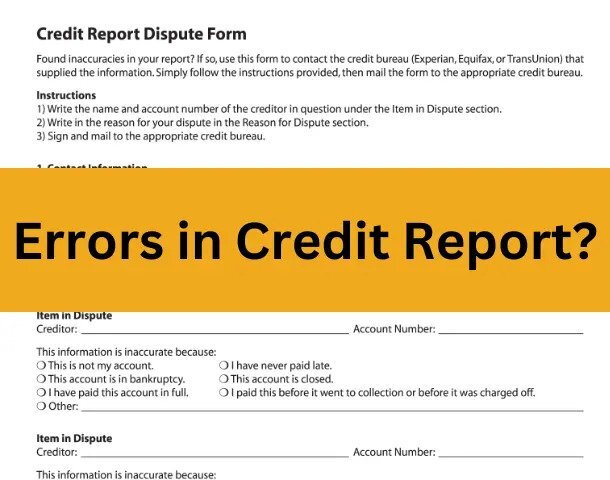
The 2026 updates to the Fair Credit Reporting Act (FCRA) have actually streamlined the procedure of contesting inaccuracies on a credit report. After debt relief, it is typical for a report to include out-of-date or incorrect information regarding settled accounts. Customers have the right to challenge these entries and expect a prompt reaction from credit bureaus. Non-profit companies typically supply the tools and design templates needed to handle these conflicts, ensuring that the credit report precisely reflects the consumer's existing standing rather than their past struggles. This accuracy is essential to receiving better interest rates on future loans or credit lines.
Developing a Sustainable Future Beyond Debt
Life after financial obligation relief is defined by the practices formed during the healing procedure. In 2026, the accessibility of co-branded partner programs in between non-profits and local banks has actually made it simpler for people to discover "second possibility" financial items. These items are created to assist individuals in your state restore their ratings without falling back into high-interest traps. Financial literacy education remains the most efficient tool for avoiding a return to debt. By understanding the mechanics of interest, the significance of an emergency fund, and the legal securities offered to them, customers can browse the 2026 economy with self-confidence.
The focus on community-based support ensures that assistance is offered despite an individual's particular place in the broader area. By partnering with regional nonprofits and community groups, across the country firms extend their reach into neighborhoods that might otherwise be neglected by conventional banks. This network of support is what makes the 2026 financial obligation relief system more reliable than those of previous years. It acknowledges that debt is often an outcome of systemic problems or unanticipated life occasions, and it provides a clear, lawfully secured course back to financial health. With the best details and the support of a DOJ-approved agency, the transition to a debt-free life is a manageable and sustainable goal.

Table of Contents
Latest Posts
Assessing Nonprofit Credit Counseling in Your Locale

Safeguarding Your Equity Throughout a 2026 Foreclosure Crisis
Why Data Personal Privacy Matters in the Period of AI Scoring
More
Latest Posts
Assessing Nonprofit Credit Counseling in Your Locale
Safeguarding Your Equity Throughout a 2026 Foreclosure Crisis
Why Data Personal Privacy Matters in the Period of AI Scoring